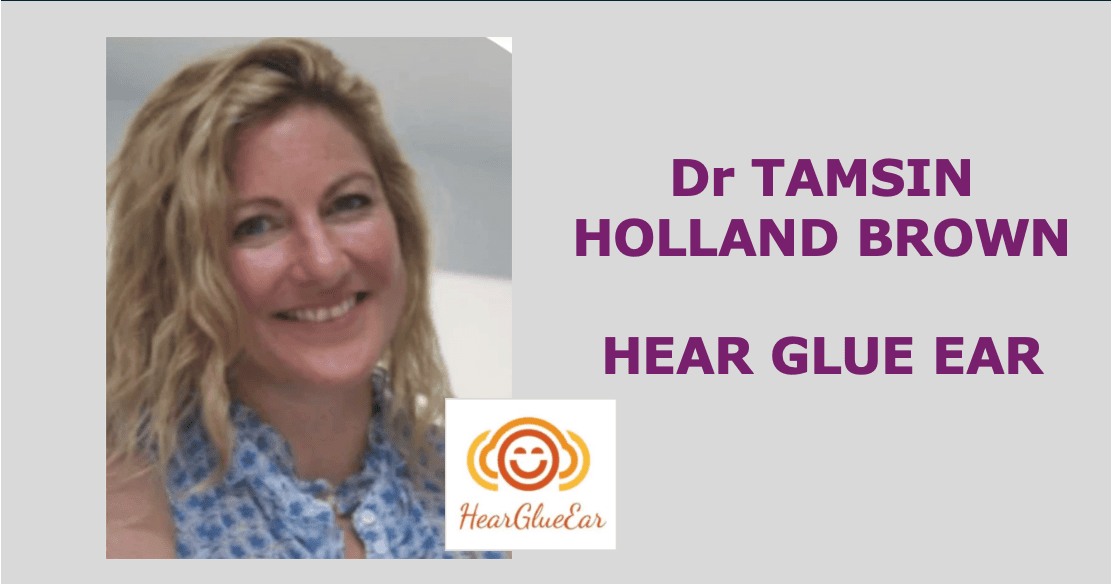
Hear Glue Ear – How this remarkable, inexpensive device is changing the lives of children with glue ear
Dr Tamsin Holland Brown, describes how her award-winning affordable device “Hear Glue Ear” is supporting families in the UK and beyond. Tamsin shares her story of what led to this amazing innovation and how her own family played such a big part in its development.
To find out more about the Hear Glue Ear device and see coverage on BBC, please visit the website: HearGlueEar
Come and join us and discover how your organisation can deliver inclusive, hearing-friendly environments with Hearing Ambassadors
Ear Wax – a natural part of hearing health – but sometimes a bit of a nuisance!
When we think about hearing, ear wax probably isn’t the first thing that comes to mind. But this sticky substance plays a surprisingly important role in keeping our ears healthy. So what exactly is ear wax – and what should we do about it when it builds up?
What Is Ear Wax?
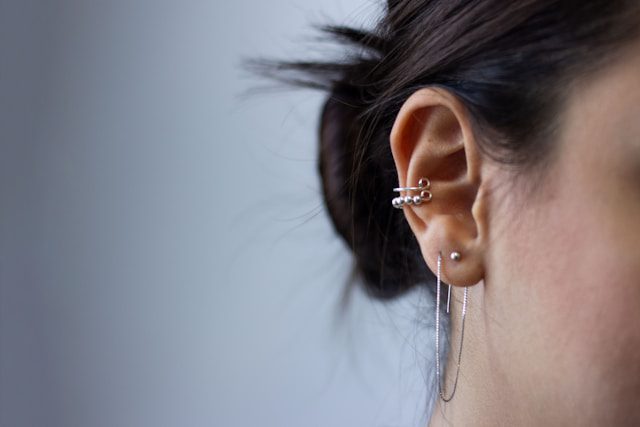
Photo by Buddha Elemental 3D on Unsplash
Ear wax, or cerumen, is a natural substance produced by glands in your ear canal. It’s made from a mix of dead skin cells, oils, and sweat. It might not sound very appealing, but ear wax has an important job:
️ Protecting – It traps dust, dirt, and even tiny insects, preventing them from reaching your eardrum. Fighting infections – It has antibacterial properties to help prevent infections. Moisturising – It keeps the delicate skin inside the ear from becoming dry or irritated.
In short, earwax is a self-cleaning, protective barrier for your ears.
Most of the time, earwax works its way out of the ear naturally, helped along by chewing and jaw movement. But sometimes it doesn’t leave the ear canal as it should. Common reasons for buildup include:
Using cotton buds (which can push wax further in)
Wearing hearing aids or earplugs regularly
Naturally narrow or curved ear canals
Overproduction of wax, which can happen as we age
If earwax builds up, it can cause symptoms like: Muffled hearing A feeling of fullness in the ear Ringing (tinnitus) Earache or even dizziness
How Can You Clear Ear Wax Safely?
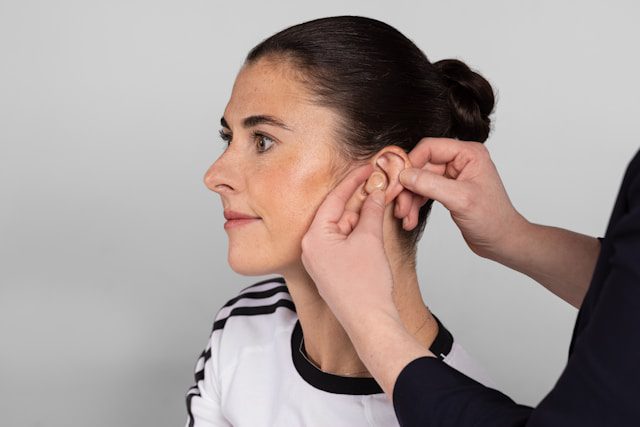
Photo by Oliver Hale on Unsplash
Don’t stick anything in your ears. That includes cotton buds, fingers, hair pins or anything else – these can cause damage and push wax deeper.
Here are some safer ways to manage ear wax:
1. Let It Be
If you’re not having any symptoms, leave it alone. Most ear wax clears naturally without any need for treatment.
2. Use Drops
Over-the-counter ear drops (like olive oil or sodium bicarbonate drops) can soften wax so it can work its way out more easily. These are safe for most people if used as directed.
3. See a Professional
If wax is causing problems, your GP or a trained ear care specialist can safely remove it. They might use:
Microsuction (gentle suction to remove wax)
Irrigation (flushing with warm water)
Manual removal with special tools
Always seek advice before trying anything new, especially if you have a perforated eardrum, ear infection, or wear hearing aids.
Hearing Aids and Ear Wax
Hearing aid users are more likely to experience wax build-up, which can affect both hearing and the performance of the devices. Regular ear checks and hearing aid cleaning are essential to avoid feedback, blockage, and discomfort.
Photo by GN Group on Unsplash
Final Thoughts
Ear wax might not be glamorous, but it’s a natural and important part of ear health. Understanding how it works – and knowing when to seek help – can make a big difference, especially if you’re managing hearing loss or using hearing aids.
When in doubt, leave it to the professionals. Your ears will thank you.
We use cookies on our website to give you the most relevant experience by remembering your preferences and repeat visits. By clicking “Accept”, you consent to the use of ALL the cookies.
This website uses cookies to improve your experience while you navigate through the website. Out of these, the cookies that are categorized as necessary are stored on your browser as they are essential for the working of basic functionalities of the website. We also use third-party cookies that help us analyze and understand how you use this website. These cookies will be stored in your browser only with your consent. You also have the option to opt-out of these cookies. But opting out of some of these cookies may affect your browsing experience.
Necessary cookies are absolutely essential for the website to function properly. This category only includes cookies that ensures basic functionalities and security features of the website. These cookies do not store any personal information.
Any cookies that may not be particularly necessary for the website to function and is used specifically to collect user personal data via analytics, ads, other embedded contents are termed as non-necessary cookies. It is mandatory to procure user consent prior to running these cookies on your website.